The full range of resilient flooring
Flexible LVT/LVP
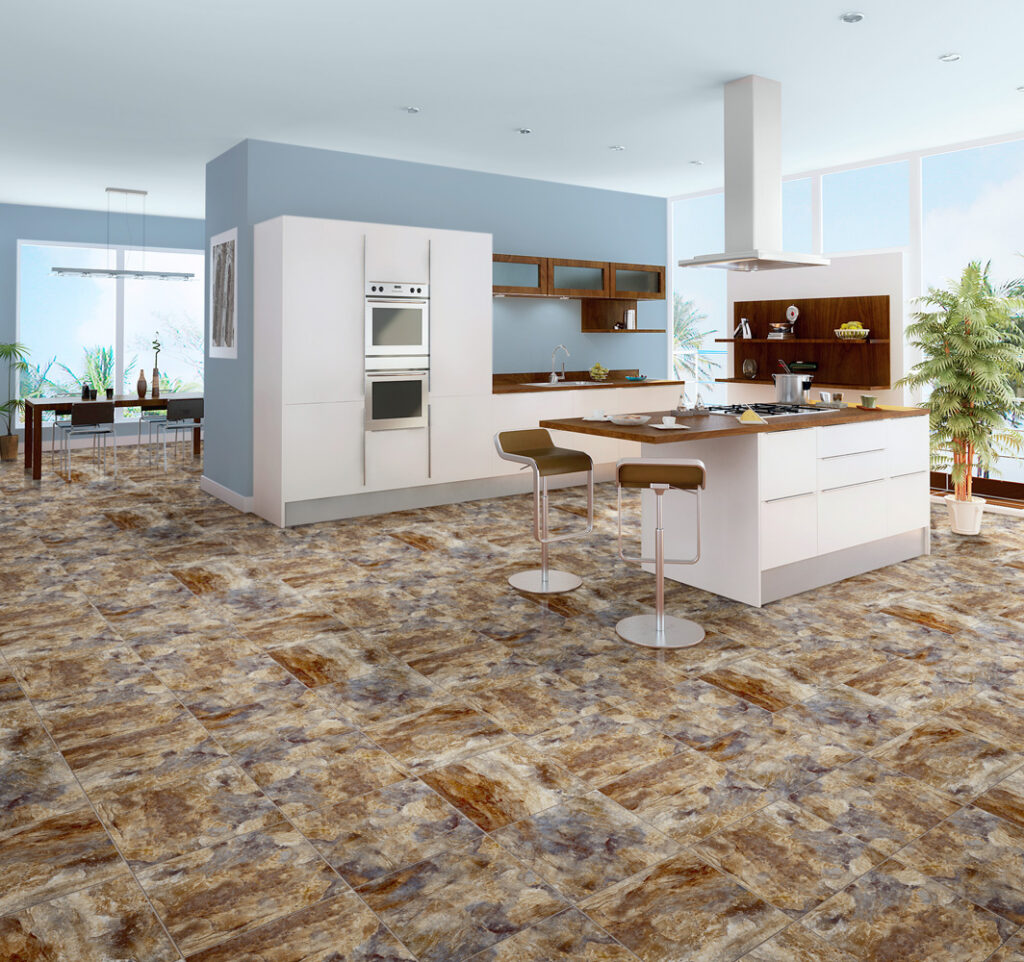
Luxury vinyl tile (LVT), is a type of flexible resilient flooring produced in either tiles or planks. Amazing visuals and design realism are the major driving force behind the astounding consumer acceptance of LVT. Continued improvements in film printing technologies combined with in-register printing and texture embossing capture the authentic appeal of natural wood and stone. LVT is a sensible, smart and highly attractive alternative to more expensive flooring systems including ceramic tile, stone, and hardwood.
Rigid Core
A newer class of LVT products referred to as Rigid Core or Multilayer flooring has emerged which adds features and benefits to the many design and performance benefits of flexible vinyl LVT products. Rigid Core/Multilayer flooring is defined as modular flooring with a rigid polymeric core, a decorative top surface and an optional soft underlayment pre-attached to the bottom of the product. Rigid Core products are produced in many realistic visuals and in tile and plank formats. Look for the ASSURE® Certified badge for smart, durable and responsibly made Rigid Core flooring.
Sheet Vinyl
The vinyl sheet flooring offered today is the product of years of advancements in manufacturing technology and refined design capabilities providing more depth and texture than ever before. In-register embossed products are now available, and new and highly advanced finishes make sheet vinyl easier to maintain than ever. In addition to an increased focus on fashion, manufacturers laud sheet vinyl’s built-in benefits, such as its affordability and waterproof capabilities, and added new technology to improve those benefits.
Sheet vinyl flooring is typically offered in 6′ and 12′ widths for commercial and residential spaces, with products for both the professionally installed and do-it-yourself installations. Some manufacturers offer sheet vinyl in even wider widths such as 16’4″, often used in manufactured housing and recreational vehicles, to provide a continuous, seamless floor.
Solid Vinyl Tile (SVT)
Solid vinyl tile (SVT) is a type of flexible resilient flooring produced in tiles and is often used in healthcare, institutional, and educational settings. It is versatile, easy to handle, and can be used to create patterns and shapes within an overall creative floor design.
Vinyl Composition Tile (VCT)
Vinyl Composition Tile (VCT) is a finished flooring material used primarily in commercial and institutional applications. VCT is a popular choice due to its low cost and durability. The tiles can be used in a wide range of color and design combinations to create unique, custom effects. The durable through-color construction provides years of lasting beauty. VCT is an economic, commercial grade product built to last. That, paired with the low cost of VCT installation and the ease of maintenance, makes VCT an attractive option for a variety of commercial applications. Millions of square feet of this well-known product have been installed in retail stores, supermarkets, hospitals, and schools. It is also a very popular do-it-yourself product since it is easy to handle and install.
Rubber
Available in sheets or tiles, this resilient flooring option is sleek, contemporary, and comfortable underfoot. Colors, which are contained throughout the thickness of rubber flooring, vary from earthy to bright and run all the way through for a hue that won’t fade or wear. The surface texture can vary from smooth marbleized or chip designs to many raised textures, including circular, square, flagstone, hammered or diamond-plate patterns and many others. Rubber has long been a solution for high-traffic settings that demand a durable material, resistance to water and burns, and is easy to clean and install.
With waterproof and slip-resistant properties that make it ideal for harsh environments that require frequent or harsh cleaning, rubber flooring is commonly used in institutional and commercial facilities. Some rubber tiles are engineered to work in areas where petroleum products, animal fats, and vegetable oils are present to provide a safe work environment. Rubber flooring is an excellent alternative, if you’re looking for something durable, quiet, and warm to walk on. In the past, rubber floors were appreciated for durability over beauty, but today’s rubber flooring can be as dazzling as any other type of resilient flooring choice. Rubber typically has a higher initial cost but lasts for a very long time. With its natural resilience and strength, rubber flooring is often used in high impact commercial and industrial areas including fitness centers, healthcare applications, and education facilities.
With advancements in colors, designs and textures, rubber flooring is increasingly popular in office and residential settings. Rubber is also ideal for hardworking areas such as kitchens, baths, entries, and exercise rooms.
Linoleum
Invented in the 1860s – with a number of improvements since then – linoleum as a floor covering has been largely replaced with vinyl flooring which has similar properties of flexibility and durability but with greater brightness and translucency. The term “linoleum”, often used as a generic term for resilient flooring, is a very specific type of flooring. Linoleum is experiencing a revival in popularity, due to its natural ingredients and environmental properties.
Cork
If the word “cork” only brings to mind wine bottle stoppers, think again. Sleek and contemporary, this resilient flooring is enjoying renewed interest. It is versatile from a design standpoint, thanks to the availability of tiles or planks in a variety of colors and sizes. It’s also warm and soft underfoot. And cork is a natural insulator, meaning it muffles sound and lowers energy bills. Cork floors are available in cork’s natural color, stained or painted. Cork flooring is a natural product so it will show the natural variations that occur in the bark. Once installed, a urethane coating can be applied although there are prefinished products on the market today. This is only true for cork floating floor that is made with an HDF or MDF core. This is a huge misnomer with glue down cork – cork is actually hydrophobic and is completely incapable of absorbing water due to its closed-cell structure. One of the earliest known uses of cork was as a fishing bobber because it actually repels water. However, cork is hygroscopic, meaning it is sensitive to changes in relative humidity and will volumetrically change as humidity levels change.